

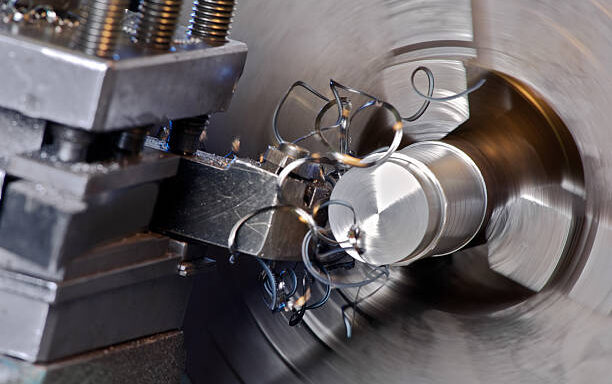
Selecting the right raw material is the foundation of successful manufacturing. Carbon steel remains the most popular choice for industrial components worldwide. However, different carbon levels create vastly different “personalities” in the metal. This guide explores the three main categories used in carbon steel machining services. We help you balance strength, cost, and machinability for your next project.
1. Low Carbon Steel: The Soft and Versatile Workhorse
Low-carbon steel, such as AISI 1018 or Q235, contains very little carbon. Consequently, this metal is incredibly easy to form and weld.
The Material Profile
This steel is soft, ductile, and features excellent toughness. It handles heavy welding without cracking or becoming brittle. Furthermore, it is the most budget-friendly option for high-volume production. Therefore, it is the standard choice for brackets, housings, and structural frames. Most carbon steel machining services recommend this for non-critical load-bearing parts.
2. Medium Carbon Steel: The Balanced Performer
Medium carbon steel, such as AISI 1045 or C45, provides a significant increase in strength. It strikes a perfect harmony between durability and workability.
The Material Profile
This grade provides much higher wear resistance than low-carbon versions. It responds well to heat treatments like induction hardening. Consequently, you can achieve a hard surface while maintaining a tough core. This makes it ideal for moving parts, such as axles, gears, and shafts. It offers great value for components facing moderate mechanical stress. Therefore, it is the “go-to” middle ground for reliable industrial machinery.
3. Alloy Steel: The High-Strength Specialist
Alloy steel, including 4140 (42CrMo) and 40Cr, contains additional elements like chromium. These additions transform the metal into a high-performance powerhouse.
The Material Profile
These steels offer extreme strength, fatigue resistance, and impact toughness. They maintain their structural integrity under heavy loads and high heat. Furthermore, they exhibit superior deep-hardening characteristics during heat treatment. Consequently, they are the first choice for engine parts and heavy-duty bolts. While the material cost is higher, the performance is unmatched. Therefore, use alloy steel when failure is simply not an option.
4. The Selection Framework: Three Dimensions of Choice
How do you pick the right “family member” for your specific blueprint? You must evaluate three critical dimensions of your project.
-
Strength Requirements: Does the part face high torque or heavy impacts? Alloy steel wins here.
-
Machining Difficulty: Low carbon steel is the fastest and easiest to cut. This reduces your total labour costs significantly.
-
Budget Constraints: Low-carbon steel offers the lowest price per kilogram. Conversely, alloy steel requires a larger initial investment.
Furthermore, consider the final surface treatment for your parts. Some steels are more suitable for plating or painting than others. Always discuss these factors with your provider of carbon steel machining services. They can suggest a specific grade that meets your technical and financial goals. Consequently, you avoid over-engineering your parts and wasting valuable resources.
Conclusion: Engineering Excellence Through Material Science
A successful CNC project starts with an informed material decision. Understanding the carbon steel family tree prevents expensive mistakes on the shop floor.
Match the metal’s personality to your part’s intended environment. Prioritise ease of use for simple frames and strength for critical gears. High-quality manufacturing relies on this careful balance of properties. Experience the reliability of expert carbon steel machining services for your business. Let the right steel drive your products toward lasting performance and success.